What is Pop Art? An Explosion of Culture and Colour
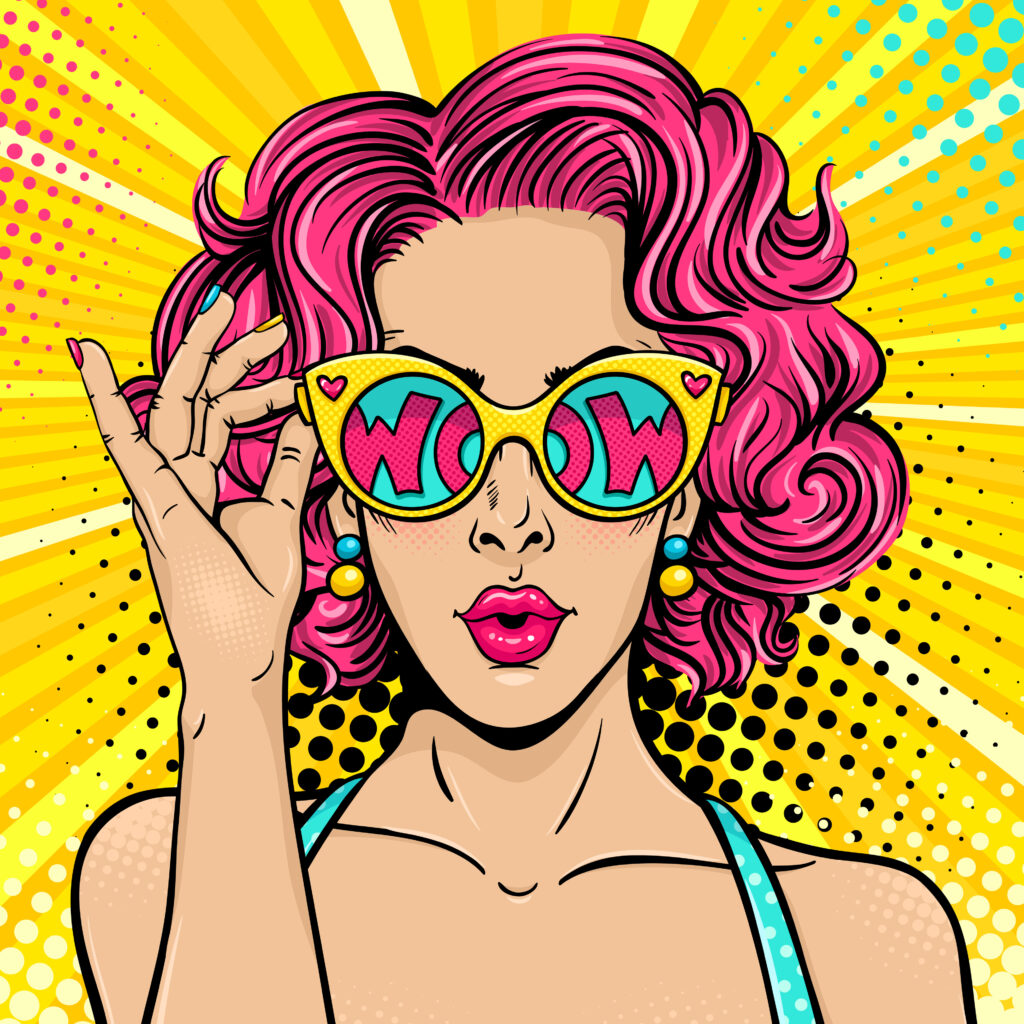
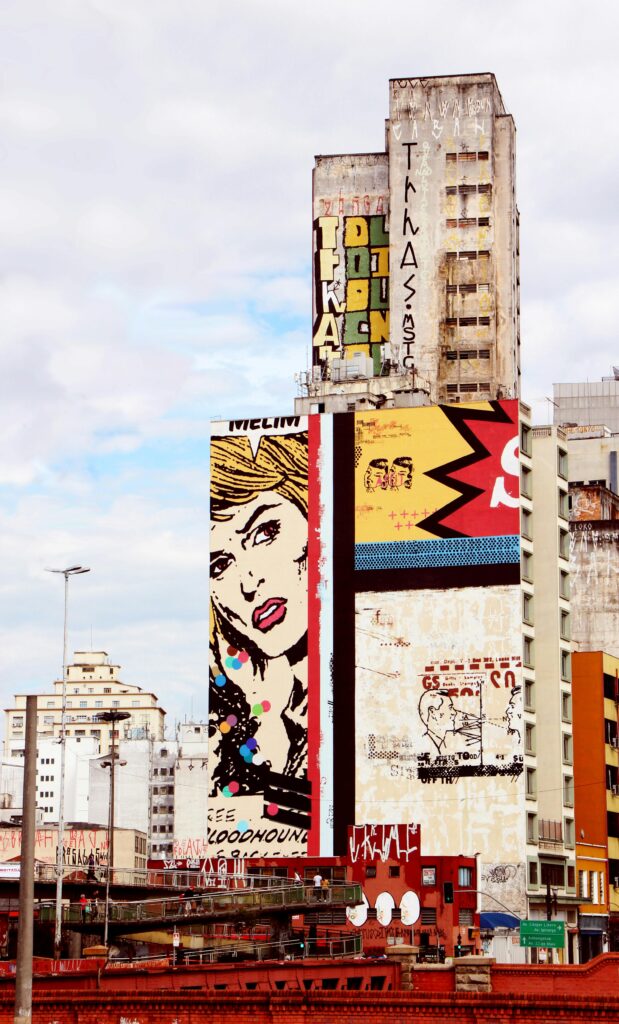
Pop Art emerged in the 1950s and 60s as a vibrant, cheeky response to consumerism, advertising, and celebrity culture. At its core, Pop Art blurs the line between high and low art — inviting comic books, soup cans, and movie stars into the once-elite world of fine art.
Artists like Andy Warhol, Roy Lichtenstein, and Richard Hamilton celebrated (and critiqued) the mass production of culture. Warhol’s repeated Marilyns and Campbell’s soup cans didn’t just depict products — they became products themselves, challenging the idea of originality.
Pop Art was bold, ironic, and often playful. It dared to ask: What counts as art? Who decides? Can something mass-produced still be meaningful?
Pop Art Characteristics:
- Bright, punchy colors
- Repetition and serial imagery
- Influence from advertising, media, and comic books
- Celebrity obsession
Why It Still Matters:
In the age of TikTok and AI-generated content, Pop Art feels more relevant than ever. It reminds us that culture is constantly recycled — and that art can be both fun and profound.
OpenAI. (2025, June 16). ChatGPT (June 16 version) [Large language model]. https://chat.openai.com/chat
Pexels. (2025). Graffiti on White Concrete Building [Photograph]. https://www.pexels.com/photo/graffiti-on-white-concrete-building-1535775/
Levitskaya, I (2025). Pop Art Illustration [Stock photograph]. Adobe Stock.https://stock.adobe.com/images/wow-pop-art-face-sexy-surprised-woman-with-pink-curly-hair-and-open-mouth-holding-sunglasses-in-her-hand-with-inscription-wow-in-reflection-vector-colorful-background-in-pop-art-retro-comic-style/164712883?prev_url=detail
Leave a Reply